Parasitic diseases can have a significant impact on the health and productivity of youngstock and breeding animals. Coccidiosis can reduce growth rates and feed efficiency in calves and lambs, while toxoplasmosis is one of the leading causes of abortion in sheep.
By focusing on hygiene, biosecurity, good feed and water management, stress reduction and strategic parasite control, producers can protect animal health, improve performance and support long-term farm profitability. Always consult your own veterinary surgeon for diagnosis and advice.
On this page:
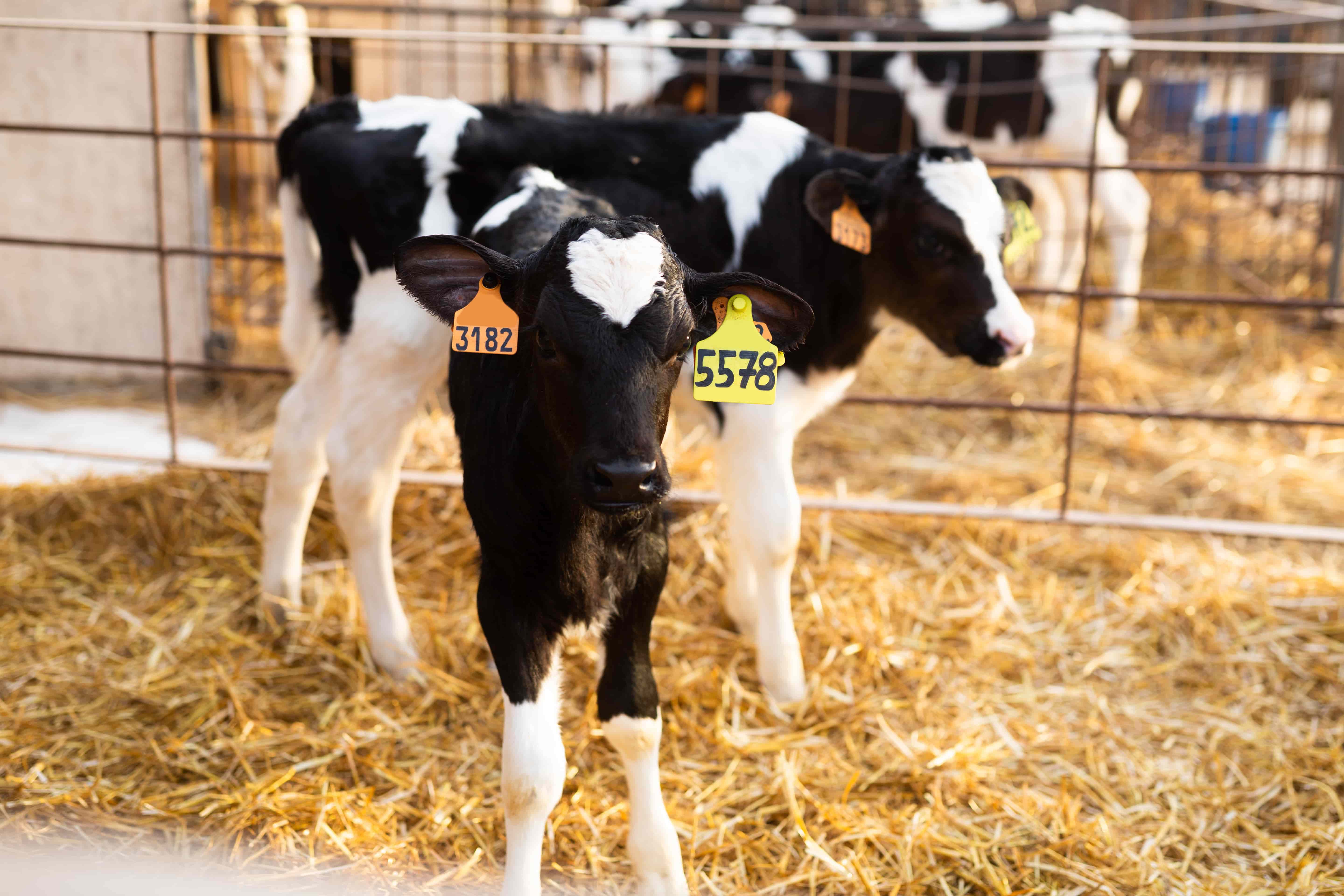
Coccidiosis is caused by parasites belonging to the Eimeria family and primarily affects young calves (less than a year old) and lambs, which are particularly susceptible because they haven't yet developed immunity. Infection occurs when infective oocysts are ingested through contaminated feed, water, bedding or pasture. These parasites damage the intestinal tract, which can result in diarrhoea, reduced feed efficiency and poorer growth performance.
Toxoplasmosis is caused by Toxoplasma gondii and mainly affects sheep, causing abortion, stillbirths and weak lambs.
Both diseases can have significant impacts on animal welfare, productivity and farm profitability if left unmanaged. In severe cases, they can result in mortality.
Clinical signs can vary depending on the severity of infection but commonly include:
Diarrhoea, sometimes containing blood or mucus
Reduced feed intake
Dehydration
Weight loss and poor growth rates
Poor thrive and reduced feed efficiency
Straining during defecation
Increased susceptibility to secondary diseases
Even subclinical infections can have a significant impact on performance by reducing nutrient absorption and growth.
Toxoplasmosis in Sheep
Toxoplasmosis is primarily a reproductive disease. Common signs include:
“Proper environmental cleanliness and nutrition are also key to help the body build natural immunity to the disease."
Coccidiosis develops when animals ingest Eimeria oocysts from a contaminated environment. Once inside the intestine, the parasites multiply rapidly and damage intestinal cells, resulting in diarrhoea, reduced nutrient absorption and poorer growth performance.
Risk factors include:
Toxoplasmosis occurs when sheep consume feed, bedding or water contaminated with cat faeces containing Toxoplasma gondii oocysts. If infection occurs during pregnancy, the parasite can cross the placenta and infect the developing foetus, leading to reproductive losses.
Coccidiosis
Early diagnosis is important to minimise the impact of coccidiosis on growth and performance. If calves or lambs show signs such as diarrhoea, poor growth or reduced feed intake, your veterinarian may use a combination of clinical signs, animal age, management history and faecal testing to confirm a diagnosis.
Toxoplasmosis
Diagnosing toxoplasmosis can be challenging because infected ewes often show few signs before abortion occurs. Diagnosis is typically based on flock history, abortion patterns and laboratory testing of blood, placental tissue or aborted foetuses.
For both coccidiosis and toxoplasmosis, veterinary investigation is important to confirm the cause and implement the most appropriate control measures.
For coccidiosis, key measures include:
For toxoplasmosis, prevention focuses on reducing contamination from cats:
Learn how to support the immune capability of dairy cows for optimised health and production.
For coccidiosis, early diagnosis and timely intervention can help minimise the impact of disease. Anticoccidial products may form part of a comprehensive control programme alongside good hygiene and management practices.
For toxoplasmosis, there is no practical treatment capable of reversing foetal infection once reproductive damage has occurred. Therefore, prevention remains the most effective approach.
If you’d like to find out more about how we could help you to optimise your herd’s performance, please submit your telephone number to request a callback. We’ll call you within three working days to set a date for a telephone or face-to-face meeting to discuss the following:
We’ll work with you to understand your herd’s current status and to identify areas for improvement.
We’ll recommend where improvements can be made and how our products can unlock your herd’s full potential.
we’ll carry out a detailed review to make sure the changes we’ve put in place are working effectively and, where necessary, provide additional support and advice to enable your herd to continue to improve.