Good udder health is essential to the productivity, longevity, and overall
wellbeing of dairy cows, but a cow's udder is highly sensitive and needs adequate care. When udders are healthy, cows produce higher quality milk more efficiently, have a longer productive lifespan, and require fewer veterinary interventions or treatments. Many challenges relating to this arise during the dry-off period, and careful management at this stage is especially critical. This page is intended to provide a clearer understanding of the challenges dairy farmers face in maintaining optimal udder health. Always consult your own veterinary surgeon for diagnosis and advice.
On this page:
Udder health describes the overall condition and proper functioning of the udder in dairy animals. When the udder is healthy, it supports high milk production, optimal milk quality, and overall cow comfort. Issues with udder health—especially infections with pathogens causing mastitis and/or high somatic cell count (SSC)—can lower milk yield, reduce farm profitability, increase the risk of leaving the herd earlier, and negatively affect animal welfare.
Prioritising the prevention of udder health issues is key for the sustainability and
profitability of your dairy operation.
A prevention-first approach is essential, as poor udder health can develop gradually and often begins with subtle changes. Since signs can appear both physically on the udder and through variations in milk quality, regular monitoring and careful review of herd data are key to identifying early ‘gateways’ that may lead to bigger issues. Being proactive helps ensure cows remain comfortable, productive, and less vulnerable to complications.
Common indicators of poor udder health include swelling, redness, hardness, heat, or patches of skin discoloration. Cows may also show discomfort or sensitivity when touched. Shifts in milk quality or quantity, higher somatic cell counts, or visible damage such as cracks or sores on the teat can signal emerging problems. Changes in udder size or shape—such as one quarter appearing noticeably larger—should also prompt closer inspection, as they may indicate underlying inflammation or imbalance.
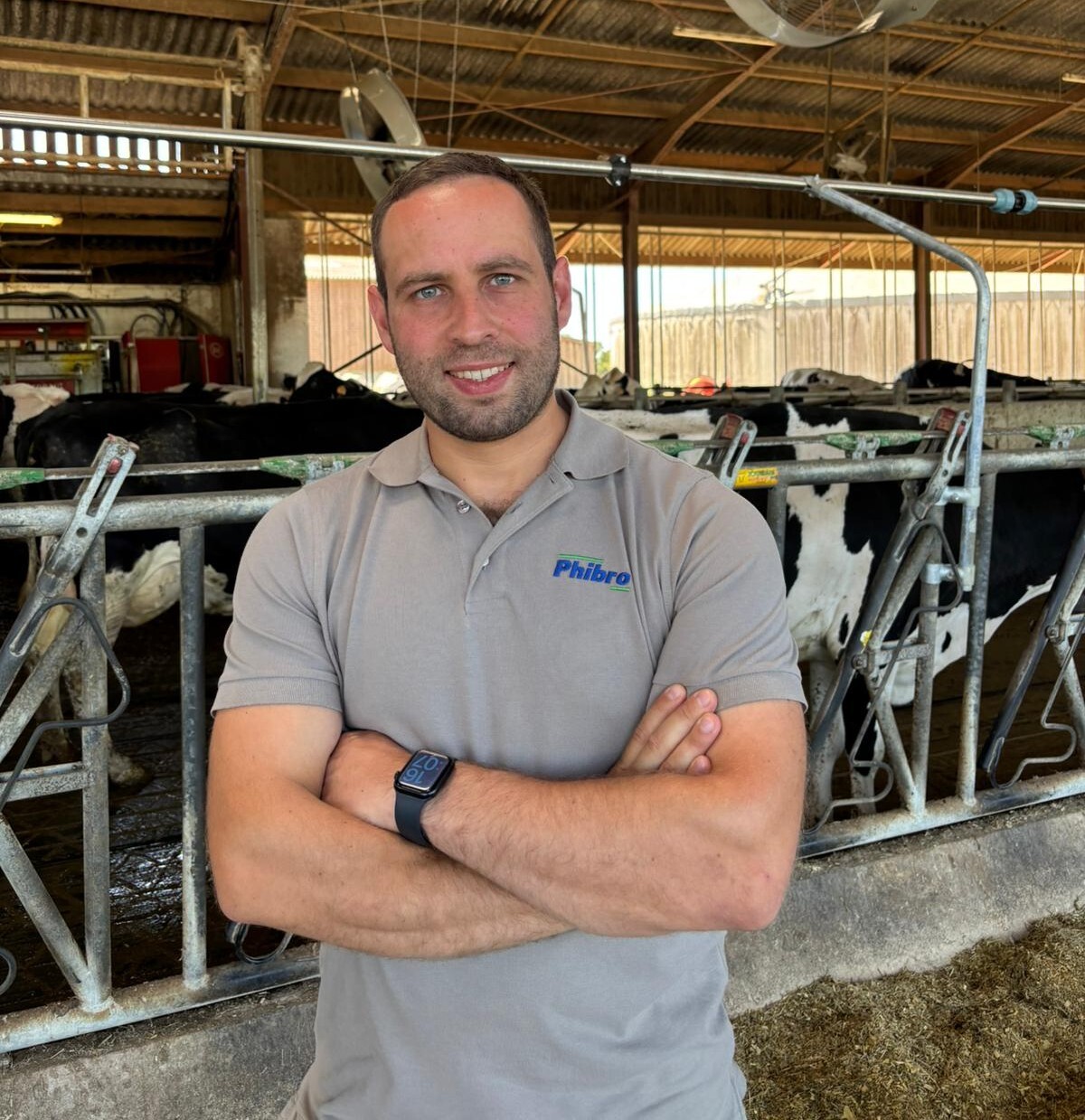
"Milking routine hygiene, housing and bedding management and the culling of chronically infected cows can all help to limit the disease’s extent, as can an effective dairy cow diet."
Udder health problems can be caused by contagious or environmental mastitis pathogens. Poor udder health is in most of the problematic cases strongly influenced by environmental factors, especially conditions that expose cows to dirt, moisture, and infectious agents. Dirty cubicles, contaminated bedding, and unhygienic milking parlours create ideal environments for bacteria to thrive and enter the teat canal. Cows with low-hanging udders or very long teats are particularly vulnerable, as these come into frequent contact with manure and debris. High quantities of flies and even factors such as mouldy feed or acute infections can weaken the cow’s immunity and make the udder more susceptible to disease.
Equally important are proper milking hygiene and farm management practices. Dirty hands, unclean teat cups or milk pipes, and poor udder hygiene allow bacteria to spread during milking. Faulty milking machines—especially those with fluctuating vacuum levels—can damage teat tissue and raise the risk of mastitis. Oversized teats, untreated wounds, and cows with chronic (subclinical) mastitis also act as continuous sources of infection within the herd. Together, these factors significantly increase the likelihood of udder problems.
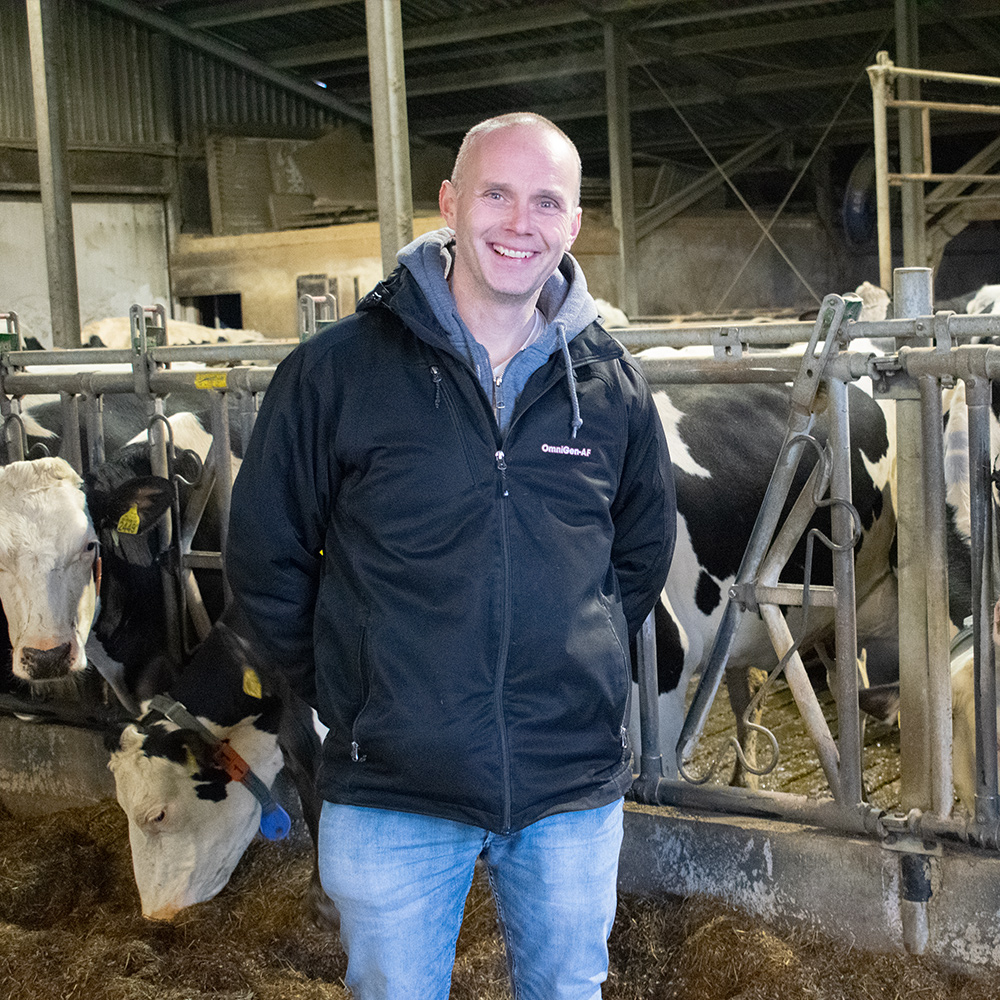
“The best part of my job is helping farmers. Reducing the use of antibiotics in dairy herds is one of my biggest goals”
Udder health can be greatly improved through proper milking hygiene, careful management of housing and bedding, and the culling of chronically infected cows, supported further by an effective dairy cow diet that strengthens overall resilience. Effective udder health management depends on strict hygiene at every stage—across lactating cows, heifers, and dry cows—to keep teats clean and protected.
Hygiene and Environment
Keep housing, cubicles, and bedding clean and dry to minimise bacterial exposure and cross-contamination. Field and cow track conditions should also be considered: excessively wet or muddy conditions will increase the potential for udder soiling and teat infections.
Milking Practices
Follow strict milk hygiene procedures and regularly check milking equipment for correct functioning to prevent teat damage. Avoid over-milking in order to safeguard teat and udder health, and ensure cattle are handled carefully and calmly to reduce stress.
Nutrition and Immunity
Provide a balanced diet that supports strong immunity, helping cows naturally defend udder tissue from environmental challenges.
Monitoring and Detection
Regularly check cows, bedding, equipment, and data such as milk recording, data from robots to spot early signs of udder stress or contamination and act quickly.
Throughout the Dry Period
Maintain hygiene and careful management during the dry period to safeguard the udder when it is most vulnerable to new infections.
Learn how to support the immune capability of dairy cows for optimised health and production.
Taking a proactive approach—supporting udder health from the earliest stages of a cow’s productive life—helps build long‑term resilience and reduces the likelihood of disease developing in the first place. This makes udder health a key area for implementing alternative strategies that support animal health and milk quality while helping to minimise antibiotic use. Always consult your own veterinary surgeon for diagnosis and advice.
If you’d like to find out more about how we could help you to optimise your herd’s performance, please submit your telephone number to request a callback. We’ll call you within three working days to set a date for a telephone or face-to-face meeting to discuss the following:
We’ll work with you to understand your herd’s current status and to identify areas for improvement.
We’ll recommend where improvements can be made and how our products can unlock your herd’s full potential.
We’ll carry out a detailed review to make sure the changes we’ve put in place are working effectively and, where necessary, provide additional support and advice to enable your herd to continue to improve.